




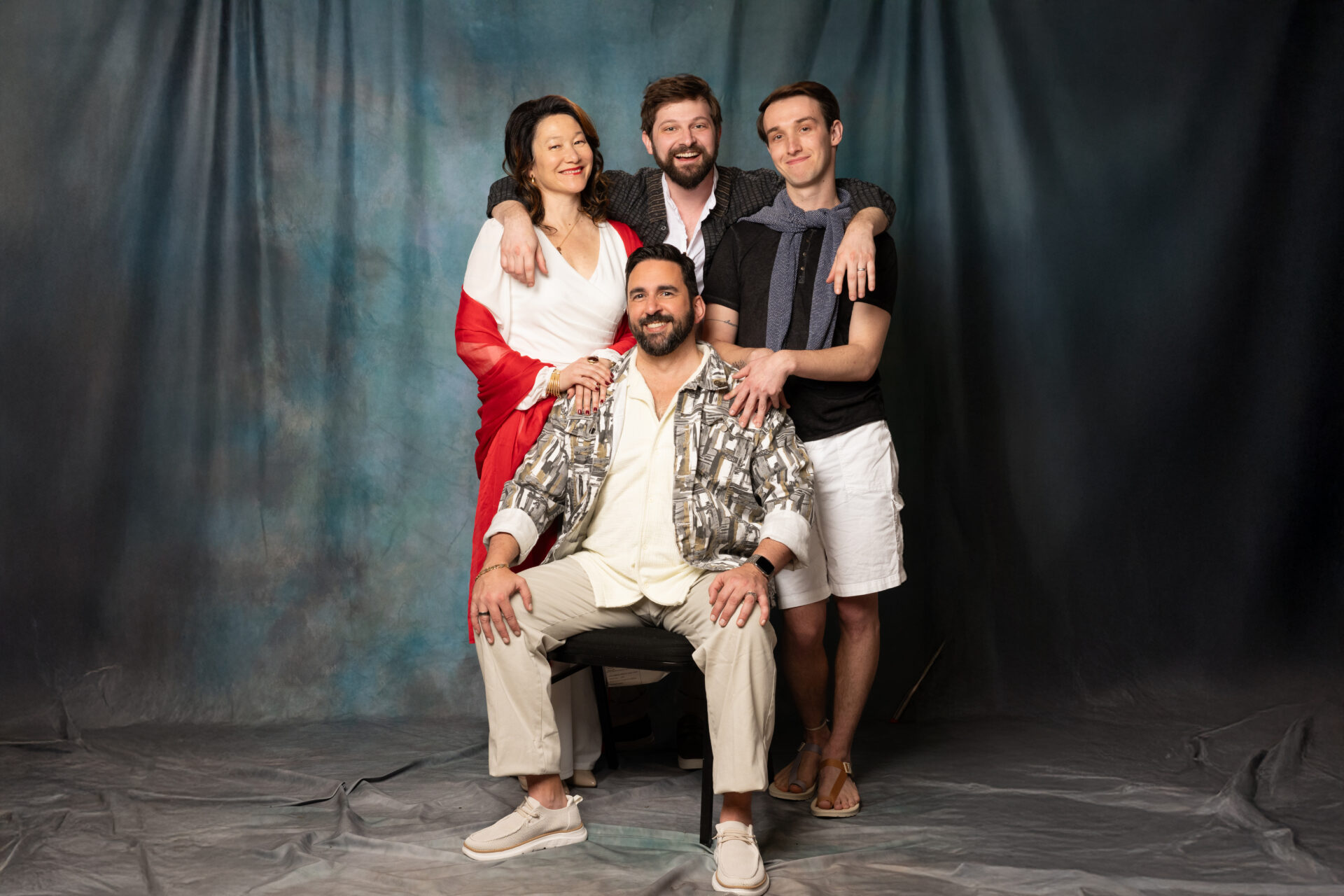
Playwright EDWARD ALBEE
Edward Albee (1928–2016) was a major American playwright known for incisive dialogue and psychological intensity. He rose to prominence with The Zoo Story (1959) and achieved lasting fame with Who’s Afraid of Virginia Woolf? (1962). Over his career, he wrote more than 30 plays and won three Pulitzer Prizes, shaping modern American theater. His work often explored illusion, reality, and fractured relationships, securing his place among the most influential dramatists of the twentieth century.
DIRECTOR KEVIN CLARKE
Kevin Clarke has been performing in the Bay Area since 1997. He is a company member of Shotgun Players, Art Street Theatre and Chris Black Dance as well as a cofounder of the performance duo Hagen & Simone. He has been nominated for three Bay Area Critics’ Circle Awards, a TBA Award and is a member of the Actors’ Equity Association (AEA). Notably, Kevin was one of seven actors to learn every role in Hamlet, and then to perform any role at random as decided by an audience drawing five minutes before curtain.
In 2022, Patrick Dooley asked if I wanted to direct a one-off staged reading of a play, won at auction by two generous donors at our annual Sassafrass gala. I said, “Fun! What’s the play?” He said, “The Goat! Know it?” No, I did not, and when I read it, my reaction was: “Whaaaat …?” Nevertheless, I signed on.
At the donors’ house, staking out their backyard “stage,” I brazenly asked, “What’s wrong with you?” “Pardon me?” Came the reply. I continued, “… that you want to stage this crazy, edgy play for your friends … in Your home?” He chuckled and warmly explained how he and his wife had seen a Zoom reading of the play during quarantine, how it had sparked conversation and had a lasting effect on them. No mention of the premise, the plot, the taboo. It made them feel something. It gave them a lot to talk about. The play got under their skin.
Years—and dozens of reads—later, this play has gotten under my skin, too. I’m still not sure I understand why I’ve fallen so hard for it. At its core, I know it’s about love. It’s about family. About truth and bravery, hope and grief, secrets and revelations. Things we all connect to.
The play’s title ends with a question mark because it lives in the question. What is acceptable? What is façade? What undisclosed personal truths live inside each of us? It presents a test of empathy, with no high marks, no failing grades. An examination of the limits of permissiveness, acceptance, and morality.
Tragedy = Tragos (goat) + ōidē (song). Albee added this provocative subtitle, “Notes Toward a Definition of Tragedy,” after its Broadway run. Why open our 2026 season with tragedy? The world’s not tragic enough? Why now? But what is “now”? Global tragedy unfolds at such breakneck speed that “last night” or “5 minutes ago” often feels like ancient history. We don’t come to the theater to watch TV news. We come to experience epic stories happening just once, right in front of us, shoulder to shoulder with other beating hearts. Tragedy served steaming hot, by actors on a platform—with jokes! That’s what “now” is. We leave the theater scrutinizing what we value. In this case, we might ponder how far we’re willing to go to preserve the things we cherish. I can’t tell you what to think about The Goat, what to talk about afterwards. But I can tell you: Think about it. Talk about it.
The artistic seeds of this production germinated in that sylvan backyard reading— theatrical frugality called on that audience to engage muscularly with their imagination and with Albee’s masterful writing. Since then, many people have gushed to me, “The Goat is my favorite play ever!” Each time, I suppress the joking reply, “Your favorite?! What’s wrong with you?” Because I know the answer to that question: It’s the same thing that’s wrong with me. We’re human.

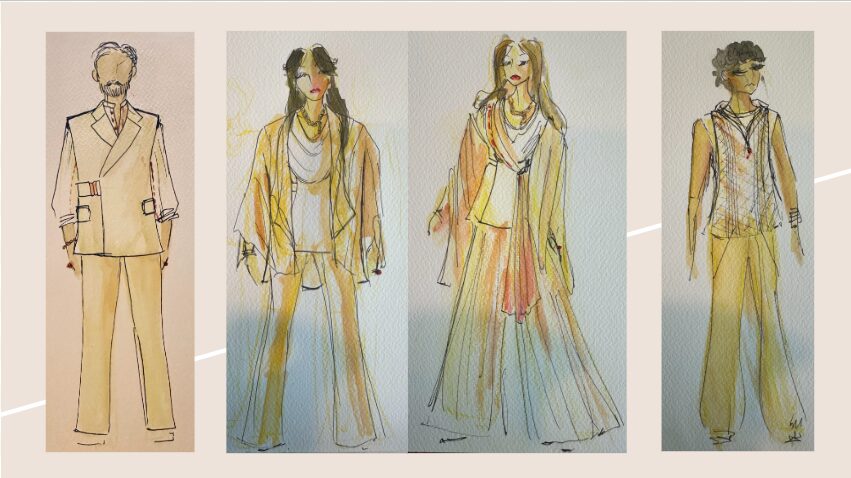
sharon peng, costume designer
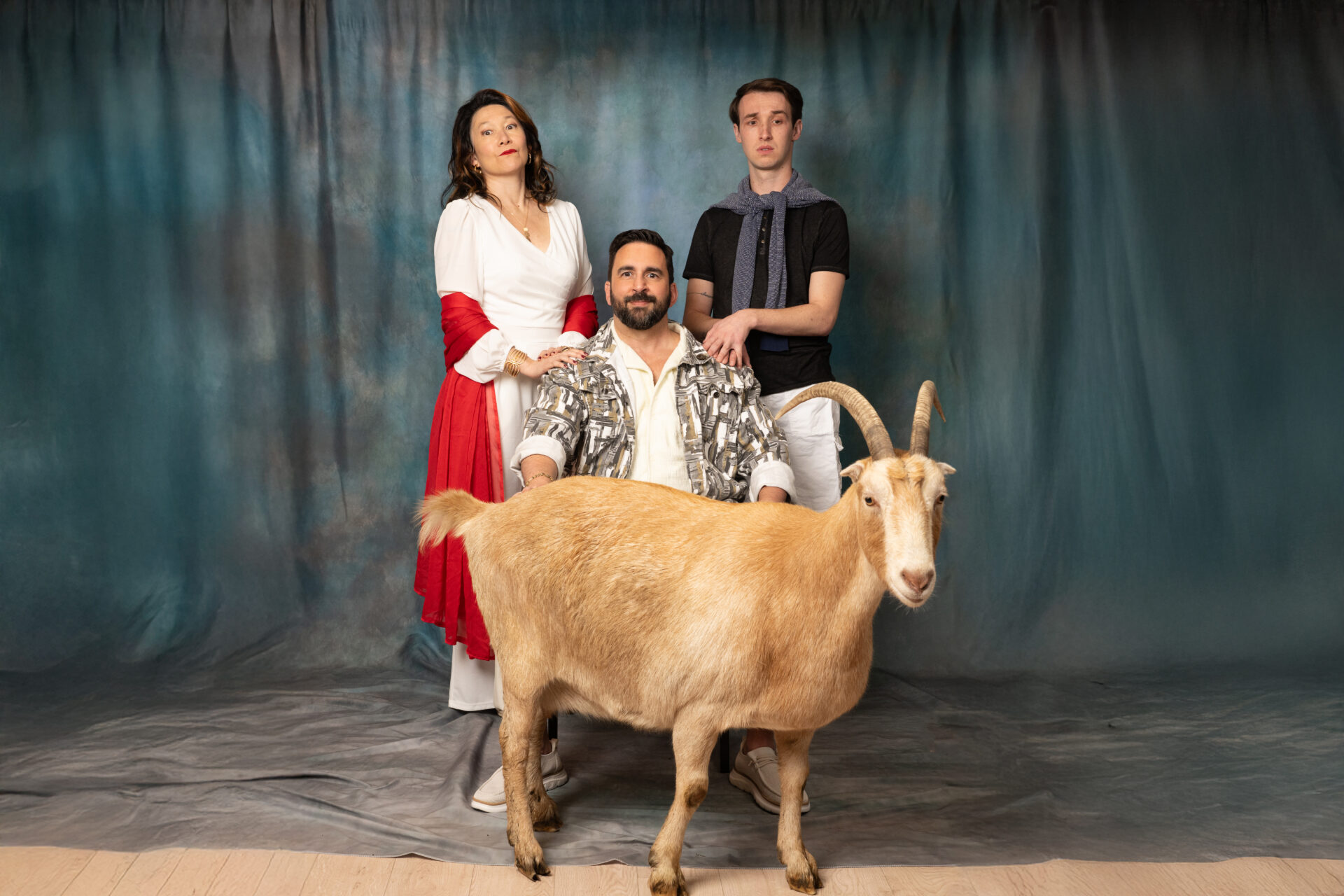
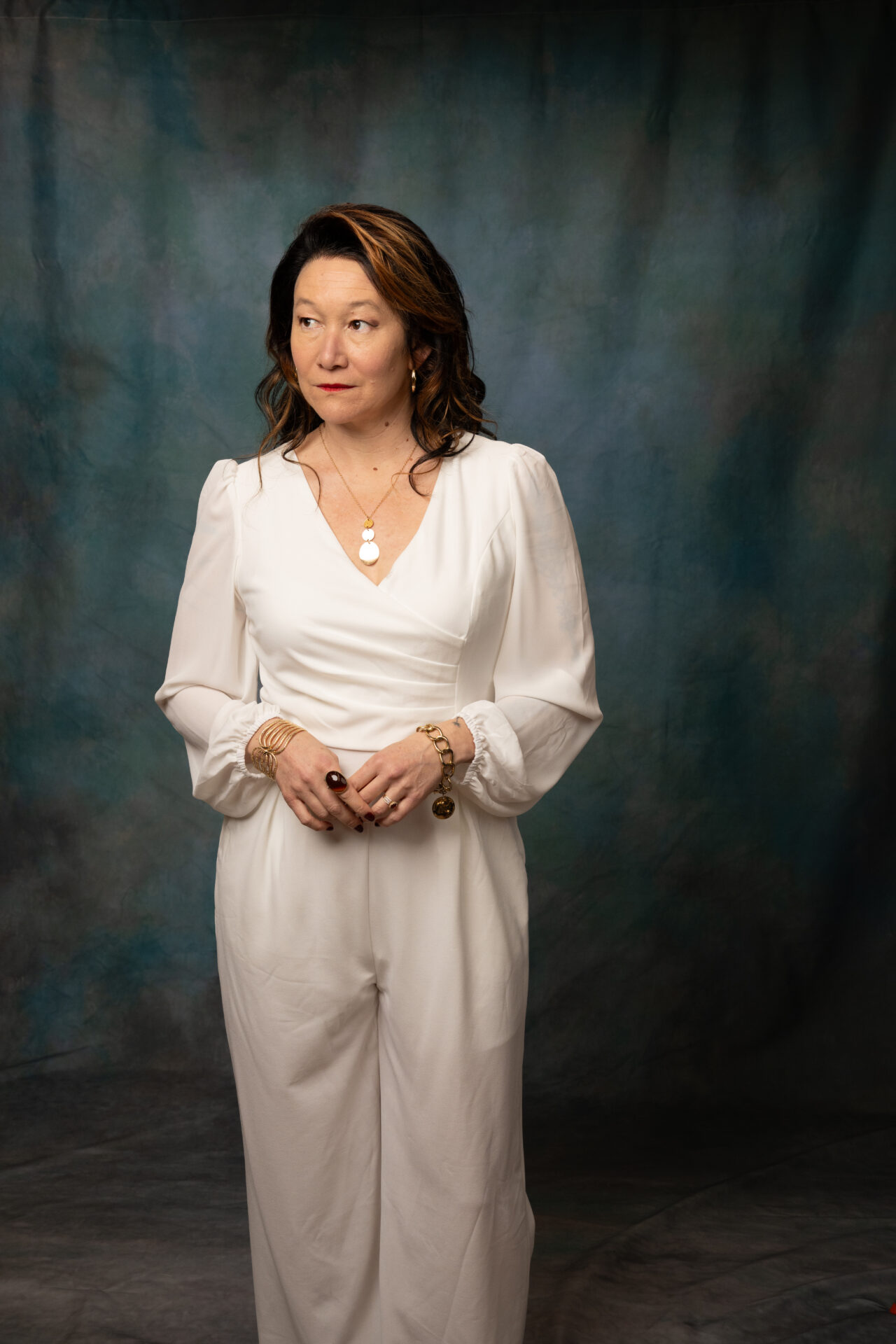
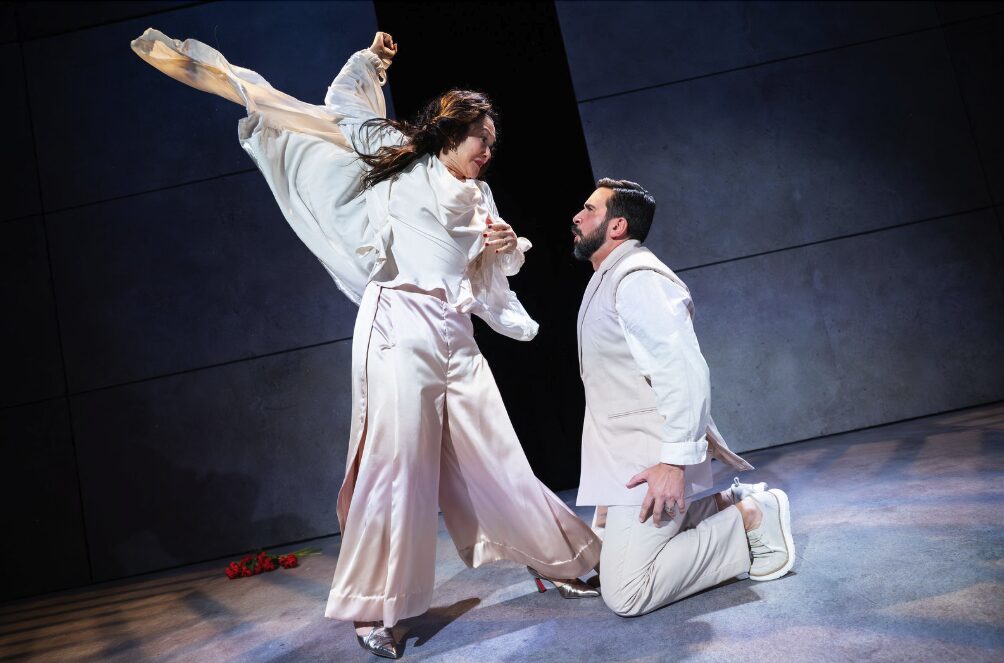
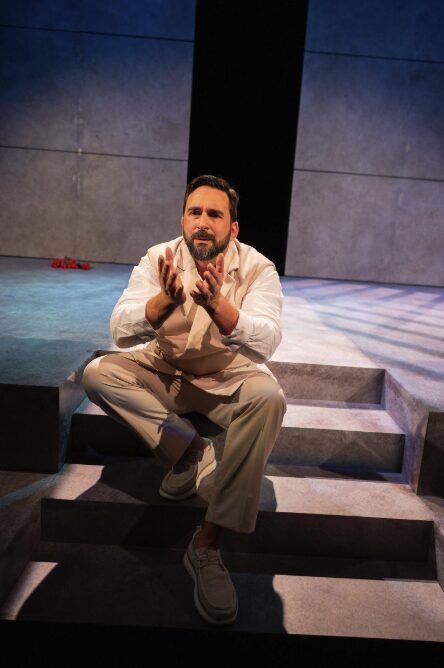
The interesting thing about working in white is that it’s a color that says nothing and yet everything, simultaneously. We associate it with pureness, yet it is wholly unforgiving. So we used red thread in the seams and as accents: sinew holding these bodies together. Their looks are physical manifestations of the constant, inherent tension – and harmony – between definition and organic fluidity.

SOPHIA CRAVEN, LIGHTING designer
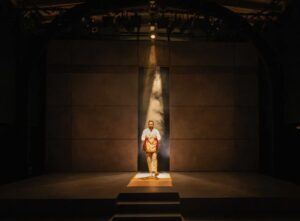
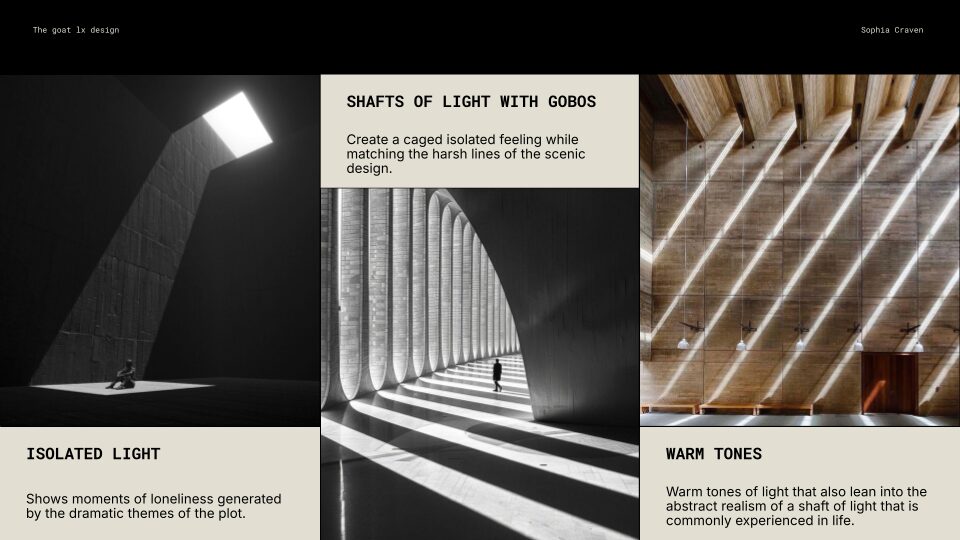
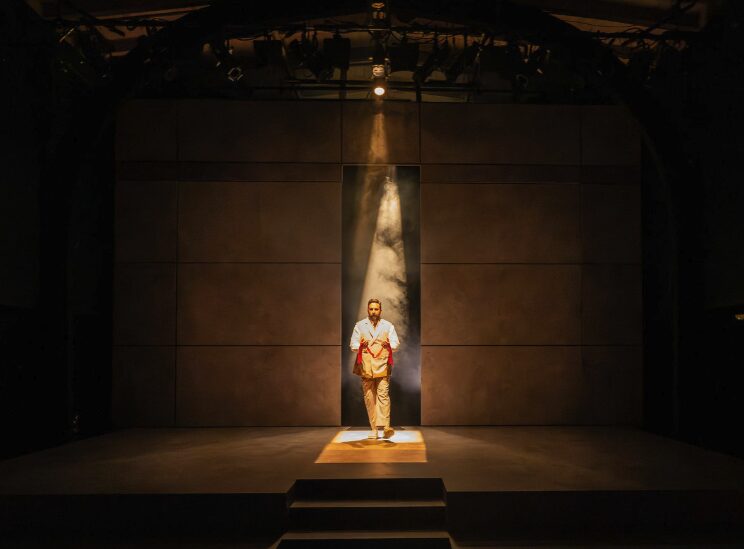
The lighting design of the play leans into the brutalist architecture the scenic design is based on. By using natural cool tones and warmer harsh gobos the world of the characters reflects the harsh and uncomfortable circumstances they find themselves in. The lined gobos that fill the floor of the set emulate a caged environment that reflects the circumstances of the characters both on and off stage.



NOTES ON THE GOAT
Of the problematic warring titles of The Goat Edward Albee has said: “I chose the title . . . because I wanted the double goat. There’s a real goat and also a person who becomes a scapegoat. It is a play that seems to be one thing at the beginning, but the chasm opens as we go further into it.”
Ibsen’s Ghosts… Wedekind’s Spring’s Awakening & Lulu… Strindberg’s Miss Julie belong to a subgenre I like to call the Sex Tragedy… Sex Tragedy is rooted in rebellion against social mores. It digs into our deepest desires. It is a step ahead of the modern day, suggesting a world in which long-held moral values are wiped away by the ineffable desires of humankind to exist as it does in nature.
The Goat is the latest and perhaps most radical updating of the Sex Tragedy. It raises the question of zoophilia, or bestiality. It asks a series of profound questions about the nature of human beings acting naturally. What makes us different from the animals? What makes us different from each other? What are the limits of human power? of human desire? of human empathy?
From “Notes on the Goat“ by Drew Lichtenberg
“You may, of course, have received the misleading information that the play is about bestiality—more con than pro. Well, bestiality is discussed during the play (as is flower arranging) but it is a generative matter rather than the ‘subject.’ The play is about love, and loss, the limits of our tolerance and who, indeed, we really are...
Imagine what you can’t imagine. Imagine that, all of a sudden, you found yourself in love with a Martian, in love with something you can’t conceive of. I want everybody to be able to think about what they can’t imagine and what they have buried deep as being intolerable and insufferable. I want them to just think freshly and newly about it.“
EDWARD ALBEE ON THE GOAT
Warning: Spoilers for the end of the play at the 10 minute mark