LEADING SHOTGUN PLAYERS’ FIRST EVER ONE-PERSON PERFORMANCE IN THE ROLE OF EFFIE
Alicia Mason is a SAG-AFTRA actor, daughter, partner, and devoted pet mom. She was raised by parents who served in the military and a mother who worked as a clinical psychologist—people who taught her the importance of empathy and the many layers of the human experience.
As an actor, her mission is to tell stories that move, transform, and resonate, while honoring and uplifting the communities of color she grew up in.
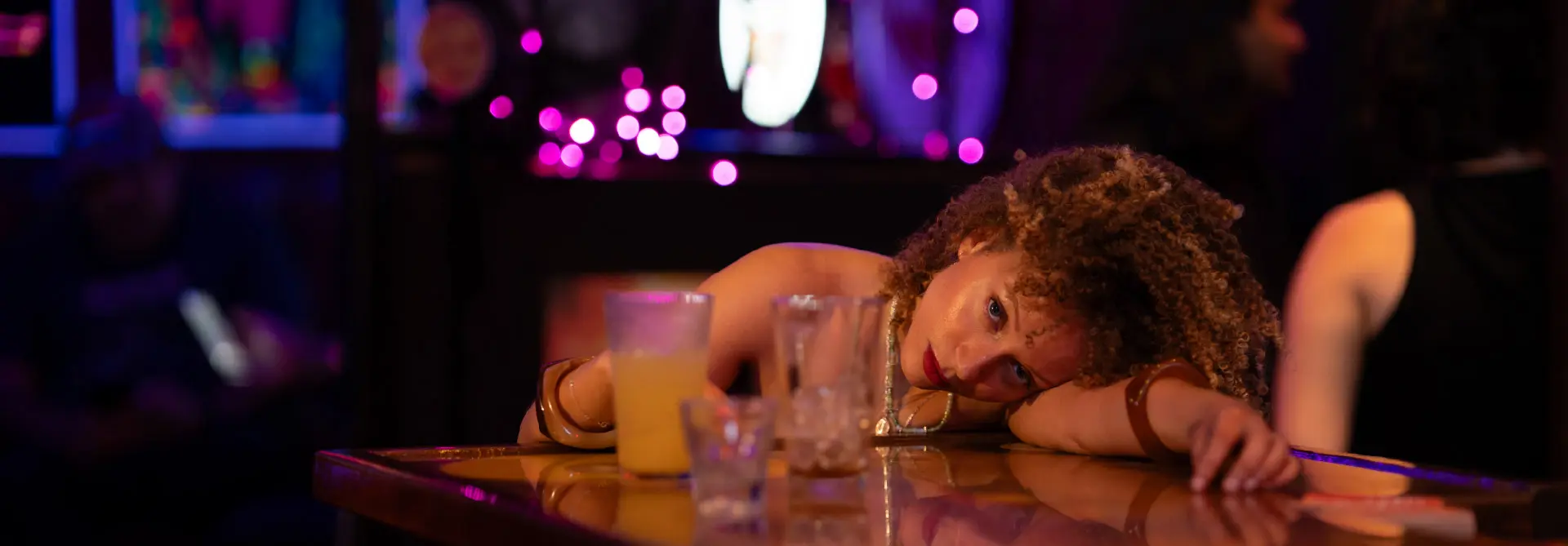
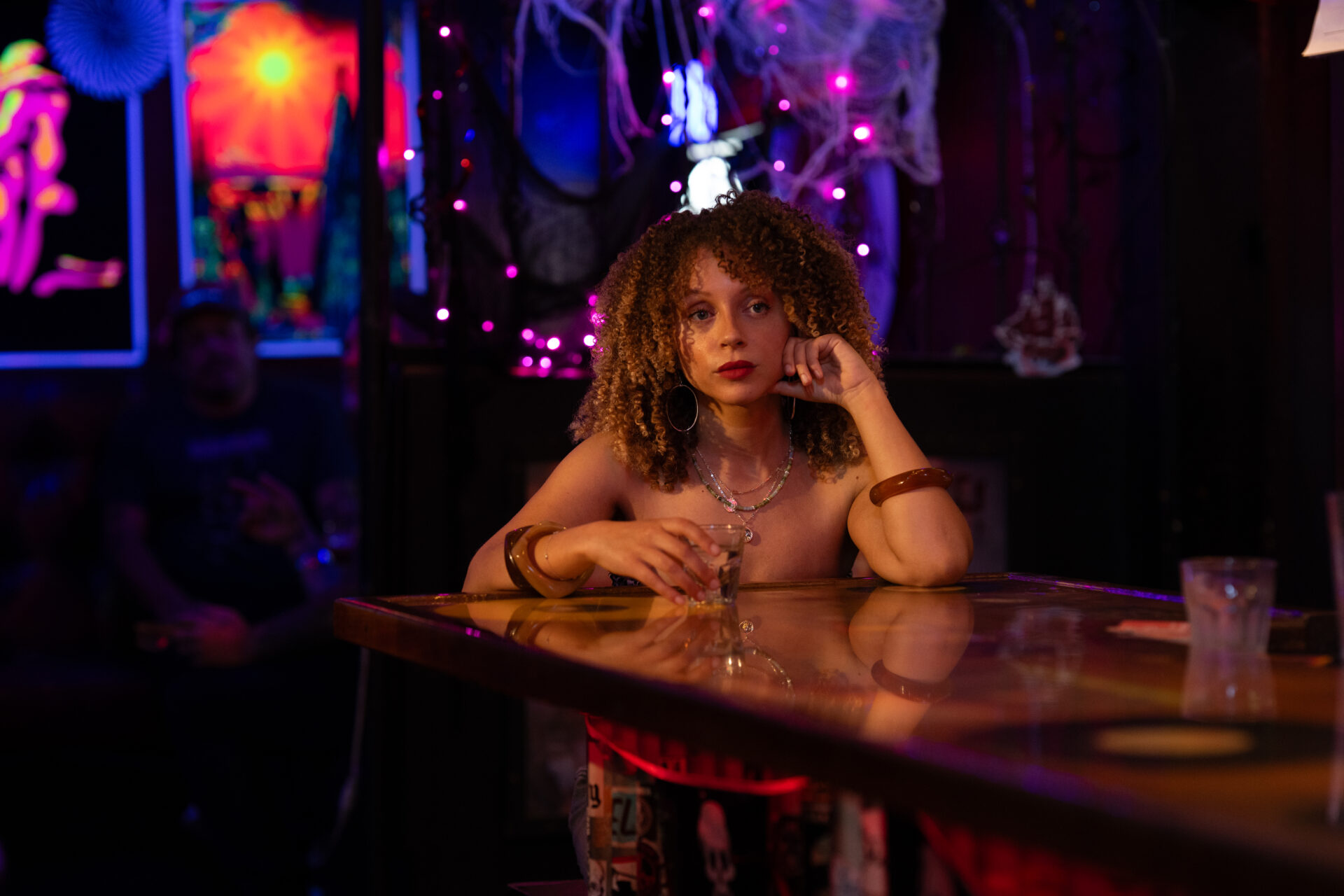
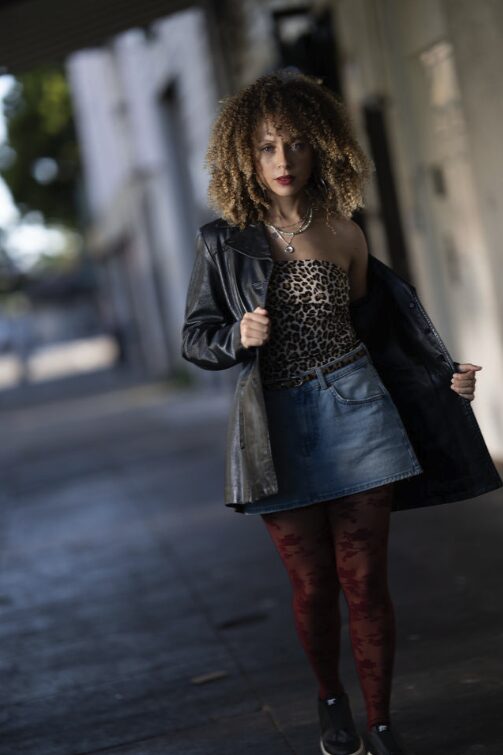
Alicia Mason plays Effie
Alicia Mason plays Effie
Alicia Mason plays Effie
Alicia Mason plays Effie
Alicia Mason plays Effie
Alicia Mason plays Effie
Alicia Mason plays Effie
Alicia Mason plays Effie
Photography by Ben Krantz
PLAYWRIGHT GARY OWEN
Gary Owen is a Welsh playwright and screenwriter. His play Iphigenia in Splott won the James Tait Black Prize for Drama, was named one of The Guardian’s 50 best theatre shows of the 21st century, and was adapted into the Welsh-language film Effi o Blaenau, directed by Marc Evans, which recently screened at the Glasgow Film Festival.
Currently he is writing Owain & Henry, a forthcoming play for the Welsh National Theatre starring Michael Sheen at Wales Millennium Centre.
His plays Include Killology (Sherman Theatre/Royal Court Theatre), which won the Laurence Olivier Awards for Outstanding Achievement in an Affiliate Theatre; Romeo & Julie (National Theatre/Sherman Theatre); Violence and Son (Royal Court); and an adaptation of Anton Chekhov’s The Cherry Orchard.
His most recent play, Ghosts, premiered at the Lyric Hammersmith Theatre as an adaptation of Henrik Ibsen’s work. Earlier plays include Crazy Gary’s Mobile Disco, The Shadow of a Boy, and
Jordan Smith
DIRECTOR MICHELE TALGAROW
Don’t let the title fool you—this isn’t a re-telling of the Ancient Greek Myth. It is a sharp, modern and deeply human thriller set in working-class Wales (or neighborhood in Cardiff Wales). It is just one actor on stage for 75 minutes, and she will absolutely blow you away with her energy, her wit, and a story that feels incredibly urgent right now.
It’s also hella funny!!!
Jordan Smith
sharon peng, costume designer
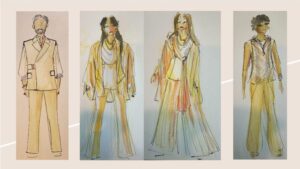
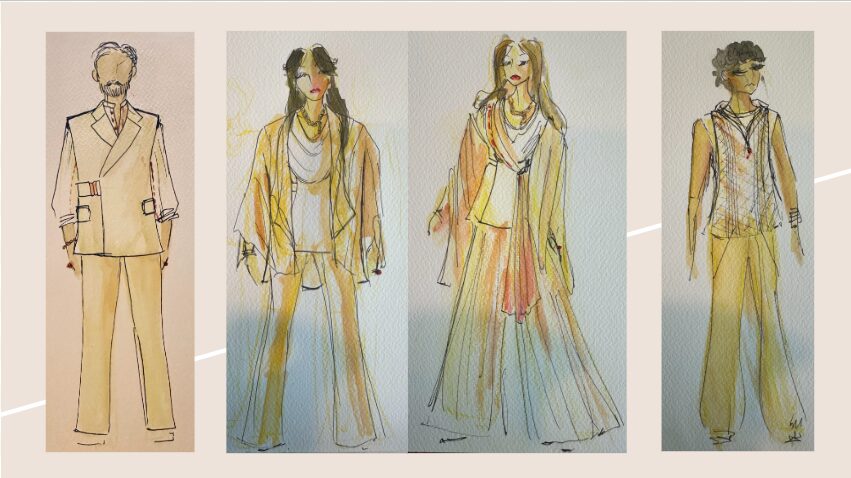
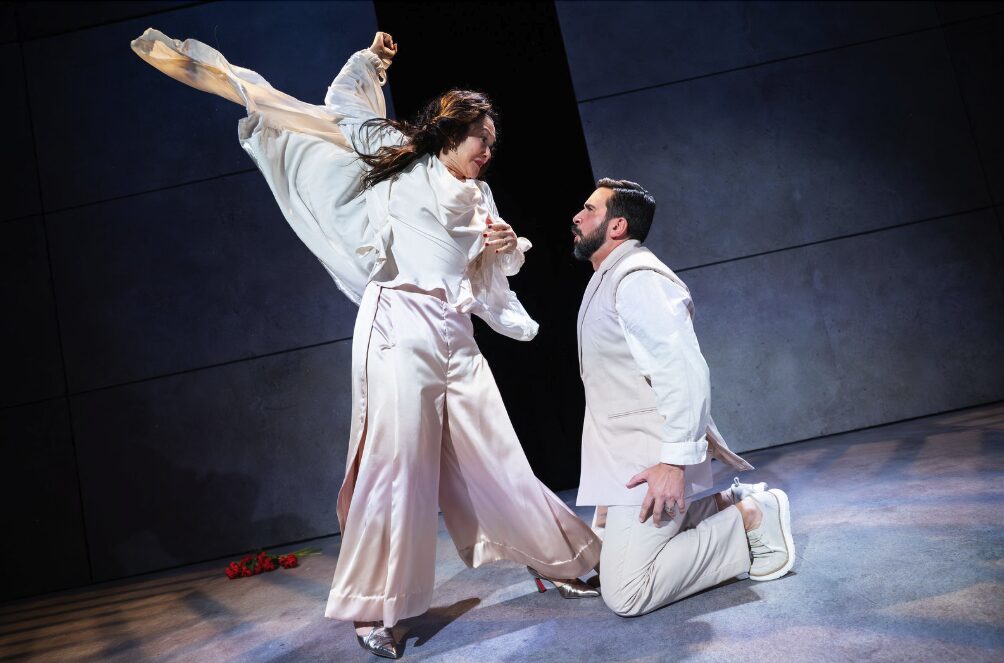
The interesting thing about working in white is that it’s a color that says nothing and yet everything, simultaneously. We associate it with pureness, yet it is wholly unforgiving. So we used red thread in the seams and as accents: sinew holding these bodies together. Their looks are physical manifestations of the constant, inherent tension – and harmony – between definition and organic fluidity.
Costume Design by Sharon Peng
Costume Design by Sharon Peng
SOPHIA CRAVEN, LIGHTING designer
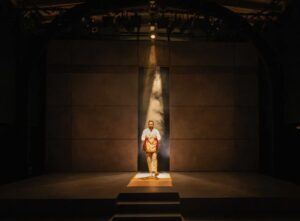
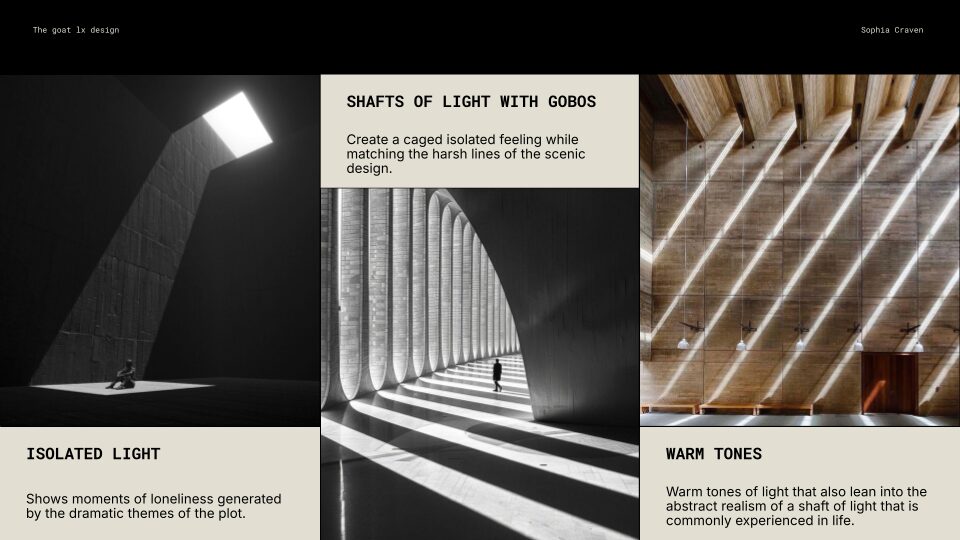
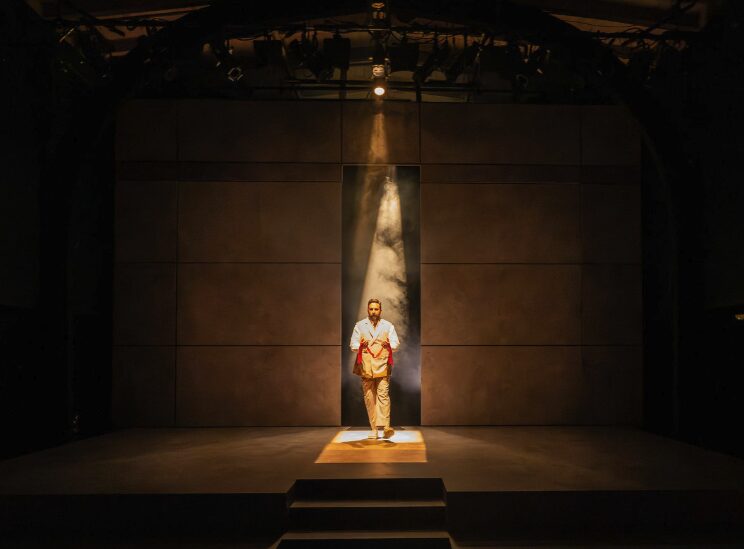
The lighting design of the play leans into the brutalist architecture the scenic design is based on. By using natural cool tones and warmer harsh gobos the world of the characters reflects the harsh and uncomfortable circumstances they find themselves in. The lined gobos that fill the floor of the set emulate a caged environment that reflects the circumstances of the characters both on and off stage.
Lighting Design by Sophia Craven
Lighting Design by Sophia Craven
Lighting Design by Sophia Craven
Iphigenia in Aulis background
Iphigenia in Splott takes inspiration from Euripides’ Iphigenia in Aulis. As the play unfolds, the Greek army is stranded in Aulis, unable to set sail for Troy to rescue the famous Helen because there is no wind for the sails. A seer named Calchas shares that there is no wind because the goddess Artemis is enraged and requires a sacrifice: Iphigenia, the daughter of Agamemnon. In the opening moments of the play we learn that Agamemnon has sent a letter to his wife, Clytemnestra, asking her to bring Iphigenia to Aulis to be married to Achilles. Yet Agamemnon regrets this falsehood and writes another letter telling her to remain at home; but his brother, Menelaus – the husband of Helen – prevents him from sending the letter. Clytemnestra and Iphigenia arrive in Aulis believing that a marriage will be celebrated.
When Clytemnestra learns that Agamemnon plans to sacrifice Iphigenia she is enraged and seeks the support of Achilles, who is also angry that his name was used to lure Iphigenia to Aulis. Despite his reputation as the greatest warrior among the Greeks, Achilles fails to convince even his own soldiers to protect Iphigenia. Agamemnon also warns that if the sacrifice is thwarted, many innocent people will die.
Clytemnestra still vows to protect her daughter, until Iphigenia makes a choice. She decides to willingly sacrifice herself without further resistance. Iphigenia walks to the altar alone, with the soldiers giving way as she passes. She believes that her sacrifice will be for the greater good.
Back in 2001 Shotgun Players produced Iphigenia in Aulis at John Hinkel Park. One of the most memorable performances took place just after sunrise. Those of us who worked on this production have always remembered the raw power of the story and how the performances impacted those who witnessed it. That is why we are so eager to bring you this modern re-imagining of this classic tale – with its own visceral connection to contemporary society. And what happens when we ignore, or worse, take for granted someone else’s sacrifice.
From Shotgun Players’ 2001 production of Iphigenia in Aulis, directed by Patrick Dooley
This production comes on the tail of a film adaptation of Gary Owne’s Iphigenia in Splott. “Effi o Blaenau” premiered in the Welsh language of Cymraeg with English subtitles at the Glasgow Film Festival in March and a general UK theatre release in June.
Effi o Blaenau
A film adapation of Gary Owen’s Iphigenia in Splott